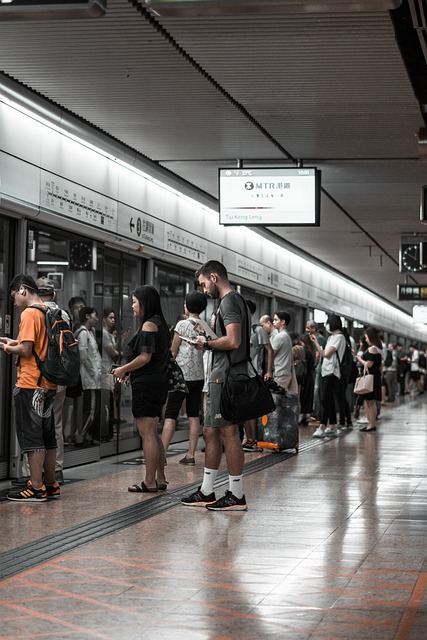
Strategic development of real estate around transit hubs boosts local economies and urban centers. Integrating residential, commercial, and recreational spaces, as seen in London and New York, increases property values, reduces commuting, and lowers carbon emissions. Attracting tech startups and implementing sustainable development policies drive economic growth. Collaboration between governments, developers, and communities is key, with incentives like tax breaks and green infrastructure investments enhancing neighborhood appeal and sustainability. Case studies from New York and London prove significant economic and community benefits.
The vitality of a community often hinges on the health of its local economy, and transit nodes play a pivotal role in fostering this growth. As urban centers evolve, optimizing these strategic locations becomes paramount for sustained prosperity. However, harnessing their full potential remains a challenge, particularly in attracting investment and development. This article delves into the strategies and opportunities surrounding the enhancement of local economies at transit hubs, with a specific focus on the synergistic relationship between these locations and real estate. By exploring innovative solutions, we aim to provide valuable insights for urban planners, policymakers, and developers.
Strategize: Identify Transit Nodes and Their Economic Potential

Identifying transit nodes is a strategic first step to boost local economies. These nodes, often centers of public transportation like train stations or bus hubs, serve as vital gateways that connect communities, facilitating the flow of people and goods. Successful strategies to harness their economic potential involve careful analysis of demographic data, existing land use, and future transport trends. For instance, a 2020 study in New York City found that neighborhoods within a half-mile radius of subway stations experienced higher property values and stronger rental markets compared to their surrounding areas.
Real estate naturally plays a pivotal role in this strategy. Developing mixed-use developments around transit nodes can create vibrant, walkable communities, reducing reliance on cars and encouraging economic activity. This model, successfully implemented in cities like London and Singapore, integrates residential, commercial, and retail spaces, fostering a 24/7 economy. Such integrated planning not only increases property values and attracts investment but also enhances the quality of life for residents, contributing to a thriving local economy.
Additionally, focusing on transportation infrastructure upgrades and enhancing pedestrian and cycling access can further stimulate economic growth. These improvements signal investor confidence and encourage businesses to locate or expand in these areas. For example, the recent expansion of bike lanes and pedestrian zones in many North American cities has led to a surge in street-level activism and the proliferation of local businesses catering to these modes of transportation. By strategically planning around transit nodes, communities can unlock significant economic potential, creating sustainable, prosperous, and accessible urban centers.
Develop: Real Estate Opportunities Around Transit Hubs

The development of real estate opportunities around transit hubs is a powerful strategy to boost local economies and create vibrant urban centers. These areas naturally become focal points for activity due to their high accessibility, attracting residents, workers, and visitors alike. Smart urban planning can maximize this potential by designing mixed-use developments that seamlessly integrate residential, commercial, and recreational spaces. For instance, the transformation of London’s King’s Cross station into a bustling district with offices, homes, hotels, and cultural venues serves as an inspiring model. This multifaceted approach not only increases property values but also reduces commuting times and carbon emissions, fostering a more sustainable urban environment.
One key advantage lies in the ability to attract businesses, especially startups and tech companies, which often prioritize proximity to public transport. According to a recent study, cities with efficient transit systems experience higher rates of economic growth driven by these industries. By offering attractive real estate packages near transit hubs, local governments can incentivize business relocation or expansion, creating a positive feedback loop that draws more talent and investment. For example, the emergence of tech hotbeds in cities like Seattle and San Francisco is closely tied to their robust public transportation networks.
Implementing this strategy requires careful consideration of zoning regulations and infrastructure capacity. Engaging with developers who specialize in mixed-use projects ensures that designs are both functional and aesthetically pleasing. Additionally, engaging local communities in the planning process can mitigate potential opposition and foster a sense of ownership. By seamlessly integrating transit-oriented development, cities can achieve economic diversification, improved livability, and enhanced environmental sustainability—a true win-win for all stakeholders.
Implement: Policies and Initiatives for Sustainable Growth

The economic vitality of a region is closely tied to its transportation infrastructure, with transit nodes acting as vital centers of activity. To boost local economies around these nodes, a strategic focus on sustainable growth policies and initiatives is imperative. One effective approach involves the strategic development of real estate, leveraging the natural synergy between transportation and property. For instance, the renovation and expansion of existing transit hubs can drive the creation of mixed-use developments, integrating residential, commercial, and retail spaces. This multifaceted approach not only attracts residents and businesses but also fosters a vibrant, walkable community, enhancing the overall quality of life.
Successful implementation requires careful planning and collaboration between local governments, developers, and community stakeholders. Policies should encourage compact, transit-oriented development, minimizing urban sprawl and maximizing land use efficiency. Incentives such as tax breaks, expedited permitting processes, and public-private partnerships can catalyze the transformation of underutilized areas near transit hubs into thriving, mixed-use neighborhoods. Additionally, investing in green infrastructure, such as parks and bike lanes, can further enhance the desirability and sustainability of these developments, attracting a diverse range of residents and businesses.
Case studies from cities like New York and London demonstrate the profound economic impacts of such initiatives. In New York, the revitalization of stations and surrounding areas has led to a significant increase in property values and the establishment of diverse, thriving communities. Similarly, London’s successful integration of transit nodes with real estate development has resulted in a bustling, cosmopolitan atmosphere, attracting global businesses and talent. By learning from these examples and tailoring strategies to local contexts, cities can harness the potential of transit nodes to drive sustainable economic growth, create vibrant communities, and foster a positive urban environment.