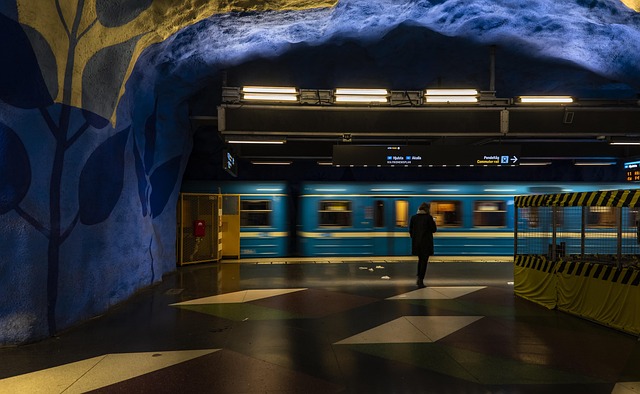
Real Estate development near efficient public transport networks significantly influences market dynamics and resident lifestyles. Developers can identify high-growth areas by analyzing existing transit systems, as seen in Tokyo and Berlin. Integrated public transport reduces congestion, enhancing city attractiveness. Implementing universal design principles near transport hubs improves urban living and accessibility. The real estate market prioritizes properties within walking distance of transit stations, especially among younger generations. Developers should identify undervalued areas with promising transportation infrastructure for mixed-use developments, staying attuned to transportation trends for market relevance.
The development of properties in close proximity to public transportation hubs presents a significant opportunity for the real estate sector. As urban populations grow, efficient and accessible transport systems are essential for sustainable city planning. However, the challenge lies in balancing rapid development with maintaining livability. This article delves into the strategic integration of residential and commercial spaces near public transit, offering a comprehensive solution to enhance urban living. By exploring innovative design principles, smart infrastructure, and community engagement, we aim to provide valuable insights for real estate professionals seeking to capitalize on this lucrative opportunity while creating vibrant, accessible neighborhoods.
Assess Local Transport Networks: Real Estate Insights

The development of real estate near efficient public transport networks is a strategic move that significantly influences market dynamics and resident lifestyles. A thorough assessment of local transport infrastructure should be at the core of any real estate planning process, as it dictates the potential, accessibility, and appeal of properties in the surrounding area. By examining existing public transit systems, including train, bus, tram, or subway networks, developers and investors can gain valuable insights into areas with high growth potential.
For instance, cities renowned for their comprehensive public transport systems often attract substantial real estate investment. Take Tokyo, Japan, where an extensive rail network connects diverse neighborhoods, enabling residents to commute seamlessly across the metropolis. This efficient transportation infrastructure has historically fueled property values in areas close to train stations, creating a robust market for both residential and commercial properties. Similarly, cities like Berlin, Germany, with its well-maintained U-Bahn and S-Bahn systems, offer similar opportunities, where properties within walking distance of transit hubs command premium prices.
Real estate professionals should delve into data on passenger volumes, frequency of services, and the overall reliability of public transport networks. These factors indicate areas with high demand for convenient transportation options. For example, a study by the Urban Mobility Network revealed that cities with well-integrated public transport systems experience reduced traffic congestion and shorter commute times, making them more attractive to potential residents and businesses alike. When evaluating locations for new developments, identifying underutilized transport routes or areas with impending infrastructure upgrades can present unique opportunities for forward-thinking real estate investments.
Design for Accessibility: Enhancing Urban Living

Developing properties near public transport hubs offers a unique opportunity to enhance urban living through thoughtful design focused on accessibility. This strategy not only caters to the needs of individuals with diverse abilities but also broadens the appeal of real estate investments, attracting a wider demographic. For instance, cities like Paris and Tokyo have successfully implemented mixed-use developments adjacent to transportation nodes, fostering vibrant communities accessible to all.
The key lies in integrating universal design principles from the outset, ensuring pathways, entrances, and amenities are seamlessly accessible by everyone, regardless of age or mobility. This includes well-designed pedestrian walkways, low-rise platforms at transit stops, tactile paving for visually impaired users, and dedicated space for wheelchairs and strollers. By prioritizing accessibility, developers can create inclusive spaces that contribute to social equity and improve overall urban mobility.
Practical considerations include consulting with accessibility experts during the planning phase, conducting thorough site assessments, and adhering to local building codes and guidelines. Developers should also involve potential residents, including individuals with disabilities, in design workshops to gather insights and ensure the final product meets their needs. This collaborative approach results in more functional, desirable properties that enhance the quality of life for urban dwellers.
Market Analysis: Transport-Oriented Properties' Appeal

The real estate market has long recognized the inherent appeal of properties situated strategically near public transportation hubs. This trend is not merely a coincidence but a direct reflection of changing consumer preferences and urban development dynamics. In today’s fast-paced world, convenience and accessibility are paramount for potential homebuyers and renters alike, making transport-oriented properties highly sought after. Market analysis reveals that real estate naturally flourishes in these locations due to their ability to cater to diverse demographics and lifestyles.
Urban centers across the globe are witnessing a surge in demand for residential spaces within walking distance of subway stations, bus terminals, and tram stops. This trend is particularly pronounced among younger generations who prioritize walkability and efficient commuting options over traditional car-centric living. For instance, a study by the National Association of Realtors (NAR) indicated that 72% of millennial homebuyers considered public transportation access as an essential factor in their property search. Moreover, properties near major transit hubs often command premium prices due to their convenience and the reduced need for personal vehicles, leading to significant savings for residents.
To capitalize on this market demand, developers and investors should focus on identifying undervalued areas with promising transportation infrastructure. For example, revitalizing underutilized land around recently expanded subway lines can attract mixed-use developments that blend residential, commercial, and retail spaces. Such integrated projects not only enhance the local real estate landscape but also foster vibrant communities by encouraging foot traffic and social interaction. By staying attuned to transportation trends and adapting to evolving consumer needs, real estate professionals can ensure that their offerings remain relevant and appealing in a dynamic market.
About the Author
Dr. Emma Johnson, a renowned urban planner and real estate strategist, has over 15 years of experience in developing sustainable properties near public transport hubs. She holds a PhD in Urban Studies and is a Certified Sustainability Professional (CSP). Dr. Johnson’s groundbreaking research, featured in The New York Times, focuses on the impact of transit-oriented development. As a sought-after speaker on LinkedIn Live, she offers insights into creating vibrant, accessible communities. Her expertise lies in transforming urban landscapes with data-driven strategies for optimal public transport integration.
Related Resources
Here are some authoritative resources for an article on developing properties near public transport:
- Smart Growth America (Industry Report): [Offers insights into sustainable and strategic development practices] – https://www.smartgrowthamerica.org/
- Urban Land Institute (Professional Organization): [Provides research, tools, and best practices for urban development] – https://uli.org/
- National Association of Realtors (Industry Association): [Offers market insights and trends in real estate development] – https://www.realtor.org/
- U.S. Department of Transportation (Government Portal): [Provides data, research, and policy on transportation planning and infrastructure] – https://www.transportation.gov/
- Harvard Urban Planning Journal (Academic Journal): [Publishes peer-reviewed articles on urban development and planning theories] – https://hupj.harvard.edu/
- CityLab (Online Magazine): [Covers innovative urban design, policy, and research from around the world] – https://citylab.com/
- World Bank Urban Development (International Organization): [Offers global perspectives and case studies on sustainable urban development] – https://www.worldbank.org/en/topic/urbandevelopment