
In a competitive real estate market, understanding local demands, especially for properties near public transport, is key to success. Market research shows areas with efficient transit options are highly desirable across various demographics due to convenience and reduced commuting times. Real estate investors should analyze population density, employment trends, and infrastructure to identify growth opportunities in transport-oriented locations. By catering to urban dwellers' evolving needs, developers can enhance market competitiveness through strategic land acquisition, property design, and marketing decisions.
In today’s urban landscape, developing properties near public transport is a strategic move that caters to evolving market demands. With an increasing preference for accessible living, real estate investors and developers are recognizing the immense potential of transportation-oriented properties. This article explores key aspects, including analyzing market trends, maximizing property value through strategic location, and design considerations, to guide successful real estate ventures in high-traffic areas.
Analyzing Market Demands for Public Transport Accessibility

In the dynamic landscape of real estate, understanding market demands is paramount. When considering the development of properties near public transport, gauging the need and preferences of potential residents is crucial. Areas with efficient and accessible public transportation tend to be highly desirable among various demographics, from commuters to young professionals and families. Real Estate investors and developers must analyze trends such as population density, employment patterns, and existing infrastructure to identify locations where public transport accessibility is both a necessity and an opportunity for growth.
Market research reveals that properties situated within walking distance of bus stops, train stations, or metro lines often command premium prices. This demand is driven by the convenience offered, reduced commuting times, and lower dependency on private vehicles. By analyzing these demands, real estate professionals can make informed decisions regarding land acquisition, property design, and marketing strategies to cater to the evolving needs of urban dwellers, ensuring that new developments meet the criteria of modern, transport-oriented living.
Maximizing Property Value Through Strategic Location
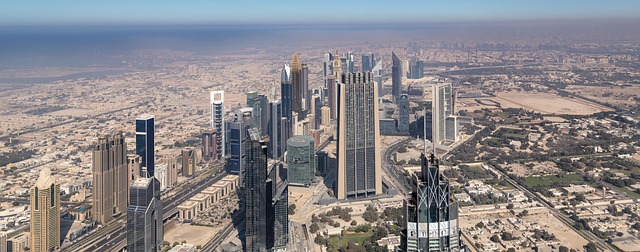
Strategically locating real estate near public transport hubs can significantly maximize property value. Easy access to buses, trains, and subways not only makes properties more attractive to buyers and renters but also enhances their long-term investment potential. Proximity to public transit reduces commute times and increases accessibility, making it easier for residents to get around, shop, work, or leisure without relying on personal vehicles. This convenience is a key selling point that can drive up demand and increase rental yields, ultimately boosting the area’s overall real estate market.
Moreover, properties situated near efficient public transport networks often benefit from higher property values and faster appreciation rates. This is due to the reduced environmental impact, lower noise levels, and improved quality of life associated with living in walkable or transit-oriented areas. Real estate developers who capitalize on this trend by building residential or commercial spaces close to well-connected public transport stations stand to gain a competitive edge, attracting both investors and occupants seeking sustainable and efficient lifestyle options.
Design Considerations for Transportation-Oriented Real Estate

When developing properties near public transport, careful consideration of design is crucial for creating successful and attractive real estate. The key lies in seamlessly integrating buildings with the existing transportation infrastructure while enhancing the overall living experience. Architects and developers should aim to create walkable neighborhoods where residents can easily access buses, trains, or subway stations. This involves designing compact, mixed-use developments that prioritize pedestrian circulation, ensuring a vibrant and connected community.
Transportation-oriented real estate also benefits from incorporating green spaces and sustainable features. Well-designed public areas, parks, and gardens near transport hubs can provide a welcome respite for commuters, encouraging active transportation and promoting a healthier lifestyle. Additionally, integrating renewable energy sources and efficient building systems not only reduces environmental impact but also appeals to eco-conscious buyers and tenants, making the property more desirable in the long term.