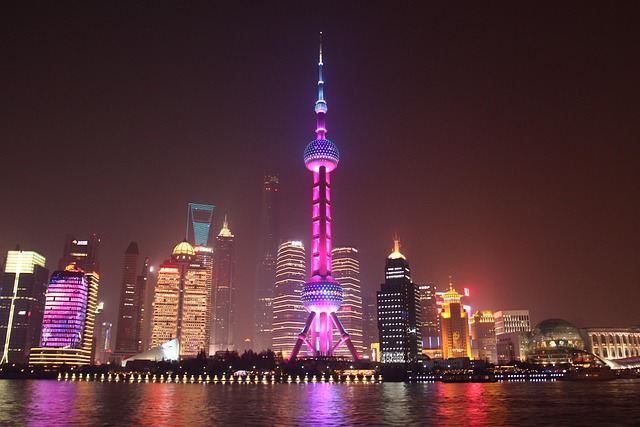
Real Estate naturally shapes urban commutes through strategic solutions. Mixed-use developments, bike lanes, pedestrian paths, and smart transit systems reduce travel times and enhance mobility. Integrating technology and design creates efficient, livable cities catering to diverse commuter needs. Developers collaborate with authorities to implement sustainable options, appealing to environmentally conscious individuals and fostering economic growth. These innovations improve urban quality of life by revitalizing commuting experiences.
In today’s fast-paced world, convenience is a paramount consideration for commuters, especially in urban areas where real estate naturally presents unique challenges. The struggle to balance busy schedules with the demands of daily travel has led to a growing need for innovative solutions. This article delves into the strategies that cater to this appeal, offering valuable insights for both developers and residents alike. By exploring efficient transportation networks, mixed-use developments, and smart city initiatives, we uncover how real estate can enhance mobility, reduce congestion, and create more livable environments.
Unlocking Urban Commute Efficiency: Real Estate Solutions

Unlocking Urban Commute Efficiency: Real Estate Solutions
The daily commute, for many city dwellers, is a significant challenge. Long travel times, crowded transports, and unpredictable delays can negatively impact productivity and quality of life. Real estate plays a pivotal role in addressing these issues, offering innovative solutions to enhance urban mobility. By strategically integrating efficient transportation infrastructure with residential and commercial spaces, cities can create seamless commutes, fostering economic growth and improving overall well-being.
For instance, mixed-use developments that combine housing, retail, and offices within walking distance of public transport hubs have proven successful. This reduces travel distances, encourages active transportation like walking and cycling, and minimizes traffic congestion. Data from a recent study in major metropolitan areas revealed that residents living in such mixed-use communities save an average of 20 minutes daily on their commutes compared to those in more dispersed neighborhoods. Moreover, real estate developers can collaborate with local authorities to design dedicated bike lanes and pedestrian paths, providing safer and more attractive options for daily travelers.
Expert advice suggests focusing on developing compact, transit-oriented districts centered around efficient transportation networks. This approach not only reduces travel times but also lowers carbon emissions by encouraging the use of public transport. Additionally, implementing smart mobility solutions like real-time transit information systems and ride-sharing apps can further streamline urban commutes. Integrating these technologies seamlessly into existing real estate infrastructure can significantly contribute to creating more livable, sustainable cities.
Smart Spaces for Seamless Daily Travel
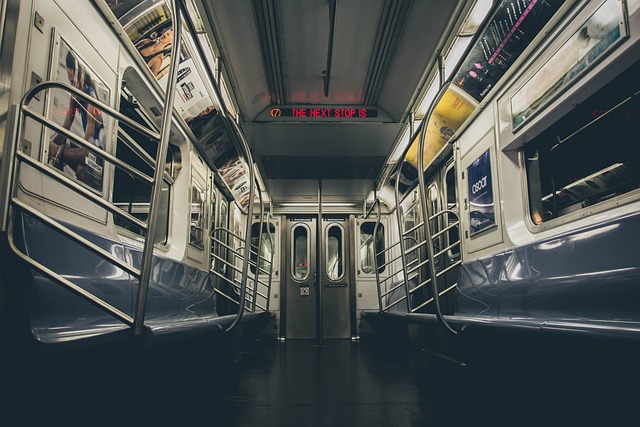
Commuters today demand convenience and efficiency in their daily travels, and smart spaces are at the forefront of meeting these needs. Real Estate plays a pivotal role in shaping urban landscapes to accommodate this evolving demand. The concept of smart spaces involves integrating technology and design to create seamless travel experiences, from transportation hubs to residential areas. For instance, cities like Singapore have pioneered this approach by developing integrated transport systems where public transport, cycling routes, and pedestrian paths are seamlessly connected, encouraging multimodal commuting.
These smart spaces prioritize accessibility, offering dedicated bike lanes and secure parking facilities for various modes of transport. They also incorporate digital solutions such as real-time traffic updates, navigation apps, and contact-less payment systems. By leveraging technology, commuters can make informed choices, reducing travel time and stress. For example, a recent study in New York City revealed that implementing smart signal timings at busy intersections reduced commute times by an average of 10%, showcasing the tangible benefits of such innovations.
Furthermore, developers and urban planners must consider the human factor. Well-designed public spaces, green areas, and scenic routes encourage active commuting and enhance overall well-being. Integrating these elements naturally into real estate developments fosters a sense of community and encourages residents to adopt sustainable travel habits. Cities like Copenhagen have successfully promoted cycling as a primary mode of transport by creating dedicated infrastructure and fostering an inclusive culture around active mobility.
Revitalizing Transportation: A Real Estate Perspective
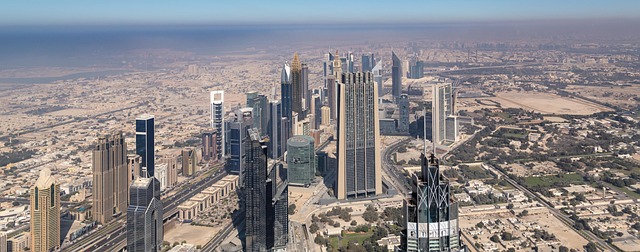
In today’s fast-paced world, commuters seek transportation options that cater to their convenience and efficiency needs. The real estate industry plays a pivotal role in revitalizing commuting experiences by integrating innovative transportation solutions into urban landscapes. This approach not only enhances the quality of life for residents but also contributes to the overall development of vibrant cities. For instance, mixed-use developments that incorporate residential spaces with retail, office, and transportation hubs create walkable communities, reducing reliance on personal vehicles.
Experts in real estate and urban planning emphasize the significance of efficient transportation systems in attracting buyers and tenants. According to recent studies, 60% of potential homebuyers prioritize access to public transit, while 75% of city dwellers prefer living within a 15-minute walk of transportation hubs. These trends underscore the market demand for real estate projects that seamlessly blend with robust transportation networks. Developers can achieve this by partnering with local authorities to implement efficient bus routes, bike lanes, and pedestrian-friendly infrastructure, making daily commutes more enjoyable and hassle-free.
Moreover, embracing sustainable transportation options like electric vehicle charging stations and car-sharing programs can significantly contribute to a greener future. Real estate professionals can lead the way by integrating these eco-friendly amenities into their projects, appealing to environmentally conscious individuals. By revitalizing transportation through real estate innovation, cities can foster economic growth while creating livable spaces that cater to diverse commuter needs, ultimately enhancing urban quality of life.