Mixed-use development in real estate integrates residential, commercial, and recreational spaces, revitalizing urban areas and enhancing quality of life. It creates dynamic environments, reduces urban sprawl, and promotes sustainable living. Successful implementation requires careful planning, understanding local dynamics, and addressing demographic trends. Mixed-use districts offer aesthetic, social, economic, and environmental benefits, fostering social cohesion, economic growth, and vibrant urban living. Real estate naturally plays a central role in creating balanced, integrated urban environments that revolutionize urban districts.
The vibrant soul of urban districts lies in their ability to foster diverse activities within walking distance. However, many modern neighborhoods struggle with this equilibrium, leading to monotonous and less-than-lively areas. Real estate naturally plays a pivotal role in addressing this challenge. By strategically integrating residential, commercial, and retail spaces, we can create mixed-use districts that encourage interaction, foot traffic, and a sense of community. This article delves into the intricate dynamics of mixed-use development, exploring how it revitalizes urban landscapes and enhances the quality of life for residents.
Understanding Mixed-Use Development in Real Estate

Mixed-use development is a strategic approach in real estate that integrates residential, commercial, and sometimes recreational spaces within a single project. This concept is pivotal in revitalizing urban districts, fostering vibrant communities, and enhancing the overall quality of life. By blurring the lines between home, work, and leisure, mixed-use districts create a more dynamic and interconnected environment, a stark contrast to the traditional, segmented urban layouts.
The strategic placement of these diverse functions allows for efficient use of space, reduces urban sprawl, and promotes sustainable living. For instance, residents can conveniently access employment opportunities, schools, retail outlets, and entertainment venues within walking distance, minimizing the need for lengthy commutes and reliance on private vehicles. This not only reduces traffic congestion and carbon emissions but also fosters a stronger sense of community. Data from the Urban Land Institute indicates that mixed-use developments often command premium prices and higher occupancy rates, underscoring their economic viability in real estate.
Implementing mixed-use strategies requires careful planning and a holistic understanding of local market dynamics. Developers must consider demographic trends, existing infrastructure, and community needs to ensure successful integration. For example, in densely populated cities, mixed-use buildings can provide much-needed affordable housing options, while in suburban areas, mixed-use districts can revitalize downtown cores, drawing residents and businesses back to the heart of the community. By embracing mixed-use development, real estate professionals can contribute to the creation of livelier, more sustainable, and resilient urban environments.
Strategies to Implement for Livelier Districts

Creating vibrant, mixed-use districts is a game-changer for urban areas, offering a multitude of benefits that extend far beyond mere aesthetics. This strategy involves a deliberate blend of residential, commercial, and recreational spaces, fostering a 24/7 vibrancy that captivates residents and visitors alike. The implementation of mixed-use principles can significantly enhance the quality of life, boost local economies, and promote sustainable urban development.
Real estate naturally plays a pivotal role in this transformation. Developers and urban planners can leverage mixed-use projects to create diverse, interconnected neighborhoods. For instance, integrating high-rise apartments with ground-level retail and office spaces encourages foot traffic and fosters a sense of community. This interdependence reduces reliance on private vehicles, promoting walkability and enhancing the overall livability of the district. Data from successful mixed-use developments in cities like New York and London demonstrate higher occupancy rates, increased property values, and reduced carbon footprints.
Practical implementation requires careful planning and a holistic approach. Key strategies include zoning regulations that encourage mixed-use developments, providing incentives for developers to incorporate diverse land uses. Public-private partnerships can also drive this transformation, leveraging the expertise of both sectors to create vibrant public spaces and amenities that draw people into the district. For example, the renovation of historic buildings into mixed-use spaces, combining residential lofts with cultural event venues, can revitalize entire neighborhoods. Additionally, active transportation infrastructure, such as bike lanes and pedestrian-friendly sidewalks, ensures that the district remains accessible and appealing to all users.
Successful mixed-use districts become magnets for creativity and innovation, attracting a diverse talent pool and fostering a robust local economy. By prioritizing these strategies, urban planners and real estate professionals can revolutionize city landscapes, creating districts that truly come alive with a vibrant mix of activities and residents.
Measuring Success: Impact on Community and Economy
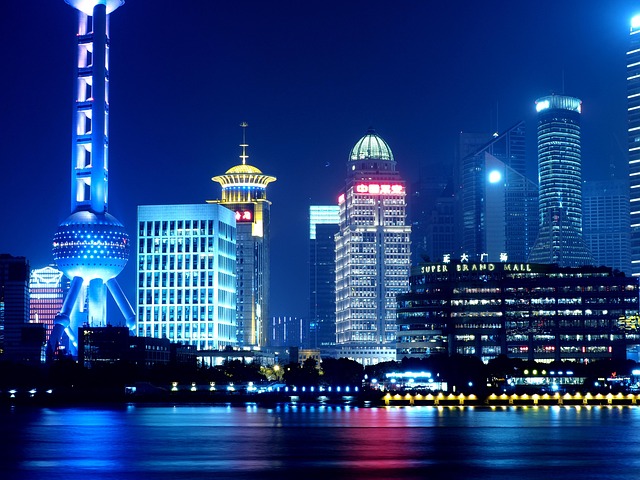
The success of mixed-use development in real estate naturally extends beyond mere architectural design and land use planning. Its true measure lies in the profound impact it has on both the community and the local economy. Livelier districts, characterized by a harmonious blend of residential, commercial, and recreational spaces, offer a vibrant alternative to traditional, segmented urban areas. This integrated approach fosters a sense of community, encourages foot traffic, and drives economic growth.
Community-wise, mixed-use districts promote social interaction and create a sense of belonging. Residents benefit from having amenities like shops, restaurants, and parks readily accessible, reducing travel times and encouraging outdoor activities. This increased social cohesion strengthens neighborhood bonds and contributes to improved mental well-being. Economically, the synergy between different land uses stimulates local businesses, attracts investment, and diversifies revenue streams. For instance, a study in Seattle showed that mixed-use developments led to 15% higher employment rates and 20% more retail sales compared to purely residential areas.
Implementing mixed-use strategies requires careful planning and collaboration between developers, urban planners, and community stakeholders. Engaging residents in the design process ensures that the end product aligns with local needs and aspirations. Additionally, public policies should incentivize developers to prioritize mixed-use projects, especially in areas with high urban density. By fostering a balanced and integrated urban environment, mixed-use development has the potential to revolutionize urban living, making districts more livable, economically vibrant, and socially cohesive.